
Barview Standing Water Drivers
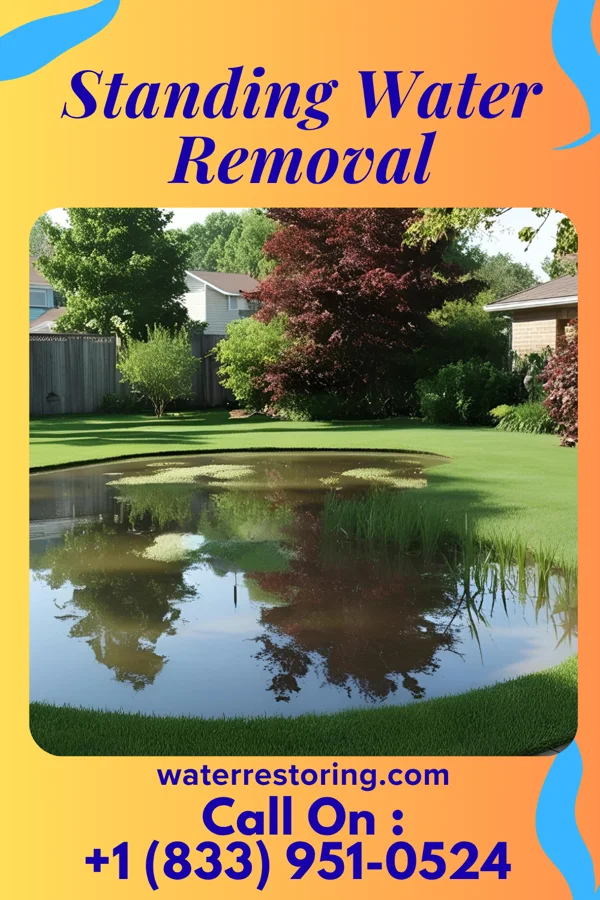
Water damage in Barview tends to cluster in predictable windows because of the local climate. In Barview, Oregon, the primary water damage cause is often due to heavy rainfall and flooding from the nearby Coos Bay watershed, which can lead to basement backups and creek overflows during the spring and winter months. Additionally, the rural setting means that broken irrigation systems or livestock water tanks can also contribute to sudden water intrusion. A close second is Secondary causes include plumbing failures in older homes, roof leaks due to the region's frequent storms, and equipment malfunctions in agricultural or industrial properties. The proximity to forested areas also increases the risk of water damage from fallen trees or debris blocking drainage systems..
Barview experiences a temperate rainforest climate with high precipitation levels, especially in the fall and winter, which increases the likelihood of water damage. The region's proximity to the coast also brings in moisture that can lead to condensation and humidity-related issues in homes and buildings.
Barview experiences a temperate rainforest climate with high precipitation levels, especially in the fall and winter, which increases the likelihood of water damage. The region's proximity to the coast also brings in moisture that can lead to condensation and humidity-related issues in homes and buildings. The dominant local driver is In Barview, Oregon, the primary water damage cause is often due to heavy rainfall and flooding from the nearby Coos Bay watershed, which can lead to basement backups and creek overflows during the spring and winter months. Additionally, the rural setting means that broken irrigation systems or livestock water tanks can also contribute to sudden water intrusion., with Secondary causes include plumbing failures in older homes, roof leaks due to the region's frequent storms, and equipment malfunctions in agricultural or industrial properties. The proximity to forested areas also increases the risk of water damage from fallen trees or debris blocking drainage systems. showing up as the next most common cause. Damage builds in stages. Spread. Absorption. Microbial growth. Structural compromise. Every stage you pass through adds to the final bill.